


Aigues-Mortes
In the heart of the Camargue, Aigues-Mortes charms visitors with its medieval heritage, natural landscapes and famous salt marshes. Founded in the 13th century by Saint Louis, the town can be explored through its impressive ramparts, the Tour de Constance and its narrow streets steeped in history. Surrounding the town, the Aigues-Mortes salt marshes, the Camargue marshes and the Tour Carbonnière offer a completely different setting, blending unspoilt nature with local traditions. What is there to see and do in Aigues-Mortes? Set off to discover the must-see attractions of this iconic destination in the Camargue.
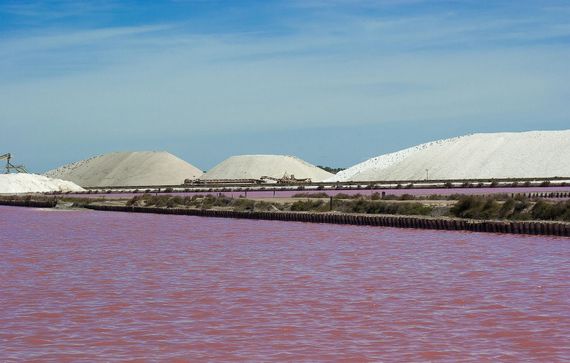
The salt marshes: the ‘white gold’ of Aigues-Mortes
Here, salt has shaped the landscape and history since ancient times. The Greeks and, later, the Romans had already recognised the wealth of these lands and organised the production and trade of this precious mineral. The very name ‘Aigues-Mortes’ is thought to derive from the Latin ‘Aquae Mortuae’, meaning ‘dead waters’ or ‘stagnant waters’, in reference to the marshy areas that surrounded the town. In the 1st century, the engineer Peccatius founded the Peccais salt pans, bearing witness to the long-standing importance of this activity in the region.
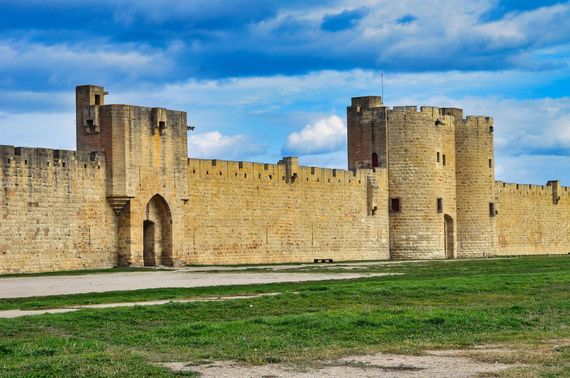
The ramparts: a legacy of Saint Louis
With their 1.6-kilometre-long walls, twenty towers and ten gates, the ramparts still give Aigues-Mortes its incredible medieval silhouette today. Their history is closely linked to that of Louis IX, the future Saint Louis. In the 13th century, the king sought access to the Mediterranean and founded a royal port at Aigues-Mortes, intended in particular as a departure point for his crusades. The Tour de Constance was built from 1241 onwards, whilst the ramparts were erected between 1272 and 1295. Remarkably well-preserved, this defensive complex now allows visitors to immerse themselves in nearly eight centuries of history.
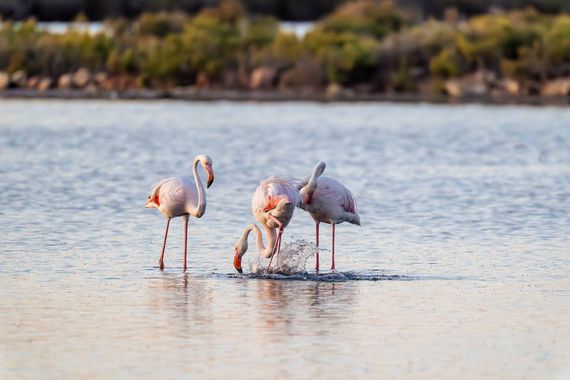
The Camargue: a natural wonder to discover on the outskirts of Aigues-Mortes
Around Aigues-Mortes lies another treasure: the Camargue, with its landscapes of marshes, ponds and reed beds. The Maison du Grand Site de France de la Camargue Gardoise is a wonderful starting point for exploring this unspoilt natural environment, with trails offering opportunities to observe the local flora and fauna. A little further on, the Tour Carbonnière, built around 1300, stands in the middle of the marshes. Once a strategic point on the road to Aigues-Mortes, it now offers a superb view of the Camargue countryside. A lovely way to round off a visit to the medieval town with a dip into the heart of nature.